

Wellness technologies pave the way for a modern approach to health and well-being. From wearable devices to virtual platforms, the landscape of wellness is evolving with technology at its core. Dive into this captivating journey through the realm of wellness technologies, where innovation meets wellness in a harmonious blend of science and digital advancements.
In the following sections, we will delve into the various facets of wellness technologies, from wearable devices that monitor health metrics to smart home technologies that create a healthier living environment. Discover how these advancements are shaping the future of wellness practices and redefining the way we approach our well-being.
Overview of Wellness Technologies

Wellness technologies refer to the use of digital tools and devices to enhance and support various aspects of health and well-being. These technologies are designed to help individuals monitor, track, and improve their physical, mental, and emotional wellness.
Types of Wellness Technologies
- Wearable Fitness Trackers: Devices such as smartwatches and fitness bands that monitor physical activity, heart rate, and sleep patterns.
- Health Apps: Mobile applications that provide guidance on nutrition, fitness routines, meditation, and mental health.
- Telemedicine Platforms: Virtual healthcare services that allow individuals to consult with healthcare providers remotely.
- Smart Scales and Body Composition Analyzers: Tools that measure weight, body fat percentage, and other metrics to track progress.
Importance of Integrating Technology into Wellness Practices
Integrating technology into wellness practices offers several benefits, including:
- Increased Awareness: Technology provides real-time feedback and data, helping individuals make informed decisions about their health.
- Personalized Support: Wellness technologies can tailor recommendations and programs based on individual preferences and goals.
- Accessibility: With the use of mobile apps and wearable devices, individuals can access wellness resources anytime, anywhere.
- Improved Accountability: Tracking progress and setting goals through technology can motivate individuals to stay consistent with their wellness routines.
Wearable Wellness Devices

Wearable wellness devices have become increasingly popular in recent years, offering users the ability to track various health metrics in real-time. These devices are designed to be worn on the body and can provide valuable insights into overall health and well-being.
Examples of Popular Wearable Wellness Devices
- Fitbit: Known for its activity trackers, Fitbit devices can monitor steps taken, calories burned, heart rate, and sleep patterns.
- Apple Watch: Besides tracking fitness metrics, the Apple Watch offers features like ECG monitoring and fall detection.
- Garmin: Garmin devices are popular among athletes for tracking activities like running, cycling, and swimming, along with monitoring heart rate and stress levels.
How Wearable Wellness Devices Track Health Metrics
- Accelerometer: Measures movement and activity levels throughout the day.
- Heart Rate Monitor: Tracks heart rate continuously or on-demand to provide insights into cardiovascular health.
- Sleep Tracker: Monitors sleep patterns, including duration and quality, to help improve overall sleep health.
Comparison of Different Features of Wearable Wellness Devices
- Battery Life: Some devices have longer battery life than others, which can impact how often you need to charge them.
- Water Resistance: Certain devices are waterproof or water-resistant, making them suitable for activities like swimming or showering.
- Third-Party App Integration: Devices that allow integration with third-party apps can provide more comprehensive health data and analysis.
Wellness Apps
Wellness apps have become increasingly popular tools for individuals looking to improve their overall well-being. These apps cover a wide range of purposes, including fitness tracking, mental health support, nutrition planning, and more. By leveraging technology, wellness apps aim to make it easier for users to take control of their health and wellness goals.
Popular Wellness Apps
- Fitbit: A popular fitness app that tracks physical activity, sleep patterns, and heart rate.
- Calm: Known for its meditation and mindfulness exercises to support mental well-being.
- MyFitnessPal: Helps users track their food intake, set goals, and monitor their nutrition.
- Headspace: Offers guided meditation sessions for stress relief and improved focus.
- Couch to 5K: Ideal for beginners looking to start a running routine with structured training plans.
Contribution to Overall Well-being
Wellness apps play a crucial role in promoting overall well-being by providing users with tools and resources to monitor and improve various aspects of their health. These apps offer personalized insights, goal setting features, and educational content to empower users to make informed decisions about their wellness journey.
By making health management more accessible and convenient, wellness apps help individuals stay motivated and accountable in achieving their health goals.
Benefits and Limitations
- Benefits:
- Convenience: Users can access wellness resources anytime, anywhere, making it easier to prioritize health.
- Personalization: Apps offer tailored recommendations based on user input and data, fostering a customized approach to wellness.
- Community Support: Some apps include social features that allow users to connect with like-minded individuals for motivation and accountability.
- Limitations:
- Reliability: The accuracy of data collected by wellness apps may vary, impacting the effectiveness of insights provided.
- Over-reliance: Users may become overly dependent on apps, potentially leading to an unhealthy obsession with tracking metrics.
- Privacy Concerns: Sharing personal health information on apps raises privacy and security issues that users should be aware of.
Smart Home Wellness Technologies
Smart home wellness technologies encompass a range of devices designed to promote a healthier living environment. These devices, such as air purifiers and smart lighting systems, are integrated into smart homes to enhance overall well-being.
Air Purifiers
Air purifiers are essential smart home devices that help improve indoor air quality by filtering out pollutants, allergens, and other harmful particles. By removing these airborne contaminants, air purifiers create a healthier living space, reducing the risk of respiratory issues and allergies.
Smart Lighting
Smart lighting systems not only offer convenience and energy efficiency but also contribute to wellness by supporting natural circadian rhythms. These systems can adjust lighting levels and color temperatures throughout the day to promote better sleep patterns and overall well-being.
Increasing Trend
There is a growing trend towards integrating wellness technologies into smart homes as people prioritize health and well-being in their living spaces. The demand for smart home wellness devices continues to rise as individuals seek ways to create environments that support their physical and mental health.
Virtual Wellness Platforms
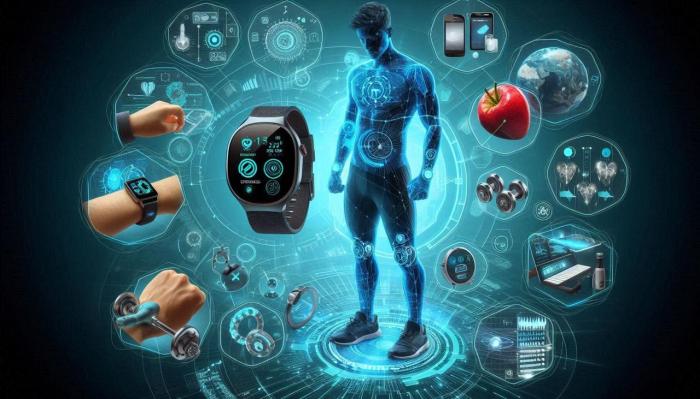
Virtual wellness platforms have revolutionized the way people access health and wellness services. These platforms offer a wide range of services such as online fitness classes, therapy sessions, nutrition consultations, and mindfulness practices. They have made it convenient for individuals to prioritize their well-being from the comfort of their homes.
Impact of Virtual Wellness Platforms on Accessibility to Health Services
Virtual wellness platforms have significantly improved accessibility to health services for individuals worldwide. People no longer have to commute to physical locations to attend classes or appointments, saving time and money. This accessibility has been particularly beneficial for those with mobility issues, individuals in remote areas, and those with busy schedules.
- Virtual wellness platforms offer flexibility in scheduling, allowing users to access services at any time that suits them.
- They break down geographical barriers, enabling individuals to connect with wellness professionals from around the world.
- Virtual platforms often provide a variety of pricing options, making wellness services more affordable and inclusive.
Examples of Successful Virtual Wellness Platforms and Their Unique Features
1. Peloton
Known for its interactive fitness classes, Peloton offers live and on-demand workouts led by top instructors. Users can track their progress, compete with others, and join virtual communities for added motivation.
2. Talkspace
A popular online therapy platform, Talkspace connects users with licensed therapists through text, audio, and video messaging. It provides a convenient and confidential space for individuals to seek mental health support.
3. Calm
Focused on mindfulness and meditation, Calm offers guided sessions for stress reduction, better sleep, and improved focus. The platform features soothing audio tracks, breathing exercises, and sleep stories to promote overall well-being.
Future Trends in Wellness Technologies
The field of wellness technologies is rapidly evolving, with new advancements and innovations constantly being developed to improve the health and well-being of individuals. As we look towards the future, several key trends are expected to shape the landscape of wellness technologies.
Integration of AI and Machine Learning
AI and machine learning are poised to play a significant role in the future of wellness technologies. These technologies have the potential to analyze vast amounts of data to provide personalized insights and recommendations for individuals. For example, AI-powered wellness apps can track and analyze user data to offer tailored fitness plans, nutrition advice, and stress management techniques.
The integration of AI and machine learning is expected to revolutionize the way we approach health and wellness, making it more personalized and effective.
Enhanced Wearable Wellness Devices
Wearable wellness devices, such as fitness trackers and smartwatches, are becoming increasingly sophisticated and versatile. In the future, these devices are expected to offer more advanced features, such as real-time monitoring of vital signs, stress levels, and sleep patterns. Additionally, the integration of biometric sensors and innovative materials will make wearable wellness devices more comfortable and accurate.
These advancements will enable individuals to track and manage their health more effectively, leading to better overall well-being.
Virtual Reality in Wellness
Virtual reality (VR) technology is also expected to make a significant impact on the future of wellness. VR platforms can provide immersive experiences that promote relaxation, meditation, and mindfulness. Additionally, VR can be used for physical therapy, pain management, and rehabilitation.
As VR technology continues to advance, we can expect to see more applications in the wellness space, offering new ways to improve mental and physical health.
Challenges and Opportunities
While the future of wellness technologies looks promising, there are also challenges that need to be addressed. One of the main challenges is ensuring data privacy and security, especially with the increasing use of AI and machine learning. Additionally, there is a need for regulatory frameworks to govern the use of wellness technologies and protect consumers.
Despite these challenges, there are numerous opportunities for growth and innovation in the wellness tech industry, with the potential to positively impact the health and well-being of individuals worldwide.
Last Word
As we conclude this exploration of wellness technologies, it becomes evident that the integration of technology into wellness practices is not just a trend but a fundamental shift in how we prioritize our health. From wearable devices to virtual platforms, the possibilities for enhancing our well-being are endless.
Embrace the future of wellness technologies and embark on a journey towards a healthier, more connected self.
User Queries
How do wellness technologies contribute to overall well-being?
Wellness technologies help individuals monitor their health metrics, stay active, and access valuable resources for improving their physical and mental well-being.
What are some examples of popular wearable wellness devices?
Popular wearable wellness devices include fitness trackers, smartwatches, and health monitoring bracelets.
How do smart home wellness technologies enhance the living environment?
Smart home wellness technologies like air purifiers and smart lighting create a healthier indoor environment, promoting well-being and comfort.
What are the benefits of using wellness apps?
Wellness apps offer convenience, personalized guidance, and motivation for users to maintain healthy habits and track their progress effectively.
What future trends can we expect in wellness technologies?
Future trends in wellness technologies may involve advancements in AI, personalized health recommendations, and the integration of virtual reality for immersive wellness experiences.