
Delving into the realm of vinyl siding, this introduction aims to provide a comprehensive look at its uses and benefits, offering valuable insights for homeowners and construction enthusiasts alike.
As we dive deeper into the world of vinyl siding, we uncover its diverse styles, colors, and installation processes that make it a popular choice in the construction industry.
Overview of Vinyl Siding
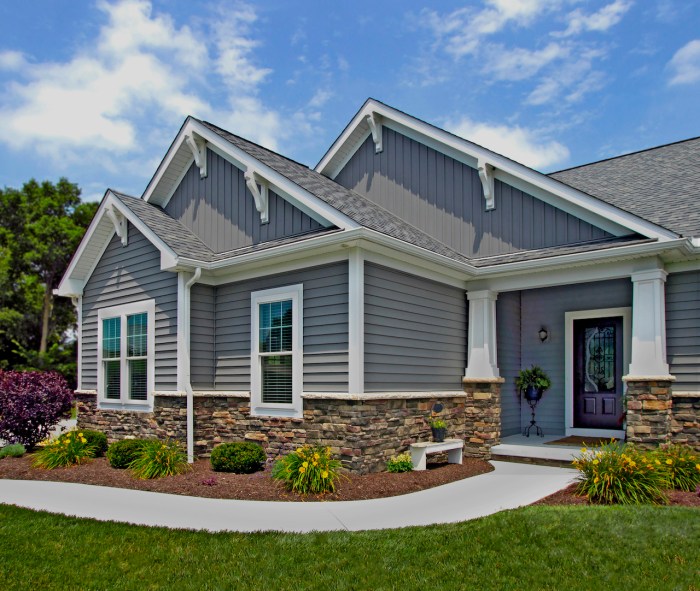
Vinyl siding is a popular choice for residential homes due to its durability, versatility, and low maintenance requirements. It is a type of exterior cladding made from PVC (polyvinyl chloride) resin that is designed to mimic the look of traditional wood siding.Vinyl siding offers several benefits to homeowners, including:
- Long-lasting durability that can withstand harsh weather conditions without rotting, warping, or corroding.
- Low maintenance requirements, as vinyl siding only needs occasional cleaning with soap and water to maintain its appearance.
- Energy efficiency by providing insulation to help regulate indoor temperatures and reduce heating and cooling costs.
There are various styles and colors available in vinyl siding options to suit different architectural preferences and design aesthetics. Homeowners can choose from traditional horizontal lap siding, vertical panels, shingle-style siding, and decorative accents like scallops and shakes. Additionally, vinyl siding comes in a wide range of colors, from classic neutrals to bold hues, allowing for customization to enhance curb appeal and complement the overall look of the home.
Installation of Vinyl Siding
Installing vinyl siding on a house can be a great way to improve its appearance and increase its durability. Here is a step-by-step guide on how to install vinyl siding, along with tips for preparing the surface and a list of common tools and materials needed for the job.
Step-by-Step Guide on Installing Vinyl Siding
- Start by preparing the surface of the house, ensuring it is clean, dry, and free of any debris or loose paint.
- Measure the walls to determine how much siding will be needed, accounting for any windows, doors, or other obstacles.
- Install the starter strip at the bottom of the wall, making sure it is level and securely attached.
- Begin installing the siding panels, making sure to overlap each panel slightly to allow for expansion and contraction.
- Cut the panels as needed to fit around windows, doors, and corners, using a utility knife or a specialized siding cutter.
- Secure the panels in place using nails or screws, being careful not to overdrive the fasteners.
- Finish the installation by installing the trim pieces around windows, doors, and corners to give the siding a polished look.
Tips for Preparing the Surface
- Pressure wash the walls to remove dirt, mold, and mildew before installation.
- Repair any damaged or rotted areas of the wall before installing the siding.
- Apply a weather-resistant barrier, such as house wrap, to improve insulation and protect against moisture.
Common Tools and Materials Needed
- Vinyl siding panels
- Starter strip
- Nails or screws
- Trim pieces
- Utility knife or siding cutter
- Tape measure
- Level
- Hammer or screwdriver
Maintenance and Care of Vinyl Siding
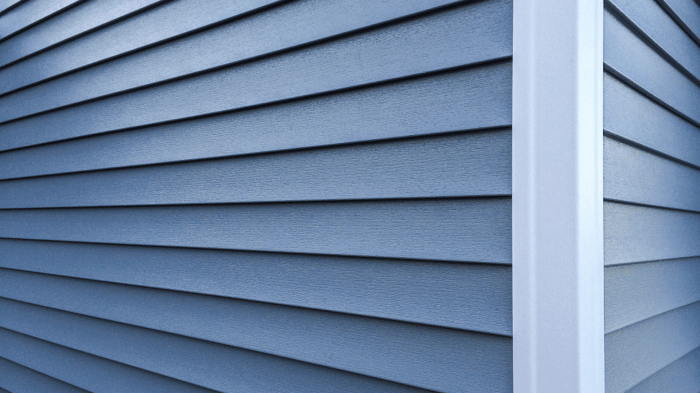
Proper maintenance and care are essential to prolong the lifespan of vinyl siding. By following a few simple steps, you can keep your vinyl siding looking great for years to come.
Cleaning and Maintenance
Regular cleaning is key to maintaining vinyl siding. Use a mixture of water and mild soap, along with a soft brush or cloth, to remove dirt, grime, and mildew. Avoid using harsh chemicals or abrasive tools, as they can damage the siding.
- Regularly rinse the siding with a garden hose to prevent dirt buildup.
- Inspect the siding for any signs of damage, such as cracks or loose panels, and address them promptly.
- Consider using a power washer on a low setting for a deeper clean, but be cautious not to use too much pressure.
Repairing Minor Damages
For minor damages, such as small cracks or holes, you can easily repair them yourself. Use a vinyl siding repair kit or patch kit to fill in the damaged areas.
- Clean the damaged area thoroughly before applying the repair material.
- Follow the manufacturer's instructions carefully for the best results.
- For larger damages, it's best to consult a professional to ensure proper repair.
Impact of Weather Conditions
Weather conditions can impact the maintenance requirements of vinyl siding. Extreme heat can cause the siding to warp, while cold temperatures can make it brittle. Additionally, strong winds can loosen or damage the siding.
- During extreme weather conditions, inspect the siding for any signs of damage and take appropriate action.
- Consider adding insulation behind the siding to protect it from temperature fluctuations.
- Regularly check the caulking around windows and doors to prevent water infiltration and damage to the siding.
Environmental Impact of Vinyl Siding
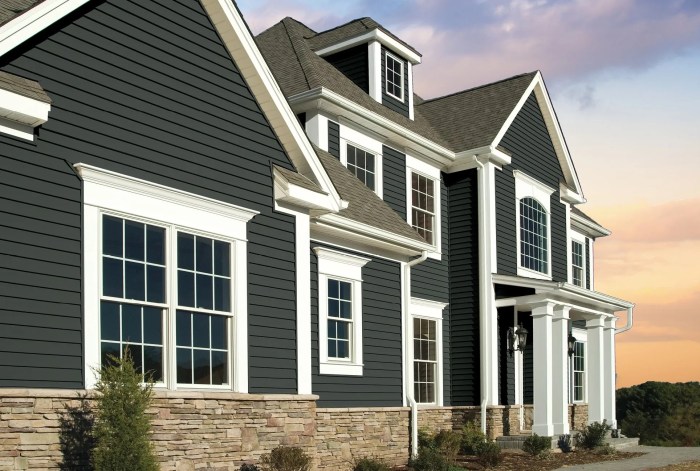
Vinyl siding has been a popular choice for homeowners due to its durability, low maintenance, and affordability. However, it is essential to consider its environmental impact compared to other siding materials.
Comparison to Other Siding Materials
When comparing vinyl siding to other materials like wood, brick, or fiber cement, vinyl generally has a lower environmental impact. Vinyl siding requires less energy to produce and install, resulting in lower greenhouse gas emissions compared to other materials.
Recyclability and Sustainability
Vinyl siding is recyclable, but the recycling process can be challenging due to the PVC content. However, advancements in technology have made it easier to recycle vinyl siding, reducing waste in landfills. Additionally, vinyl siding is considered sustainable as it can last for several decades, reducing the need for frequent replacements.
Regulations and Certifications
There are regulations and certifications in place to address the environmental impact of using vinyl siding. For example, the Vinyl Siding Institute (VSI) has developed standards for manufacturing and installing vinyl siding to ensure sustainability practices are followed. Additionally, certifications like the Leadership in Energy and Environmental Design (LEED) can be achieved by using vinyl siding in construction projects that meet specific environmental criteria.
Concluding Remarks
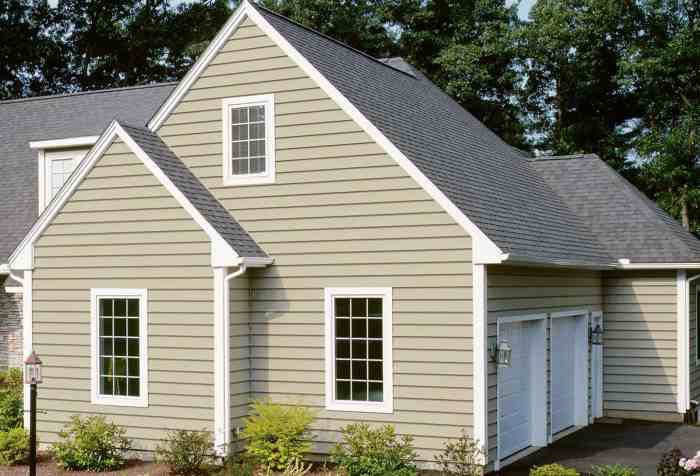
Concluding our exploration of vinyl siding, we have uncovered its significance in construction, maintenance tips, and environmental impact. Vinyl siding stands as a versatile option for homes, offering durability and aesthetic appeal.
FAQ Resource
What are the benefits of using vinyl siding?
Vinyl siding is known for its durability, low maintenance requirements, and versatility in terms of styles and colors.
How should I clean and maintain vinyl siding?
Regular cleaning with a mixture of water and mild detergent, along with occasional power washing, can help maintain the appearance and longevity of vinyl siding.
Is vinyl siding environmentally friendly?
Vinyl siding is recyclable and has a lower environmental impact compared to other siding materials like wood or aluminum.