
With property management at the forefront, this paragraph opens a window to an amazing start and intrigue, inviting readers to embark on a storytelling journey filled with unexpected twists and insights. Property management is not just about overseeing buildings; it's a multifaceted task that involves strategic planning, financial acumen, and tenant relations.
Let's delve into the world of property management and discover the keys to success in this dynamic field.
Overview of Property Management
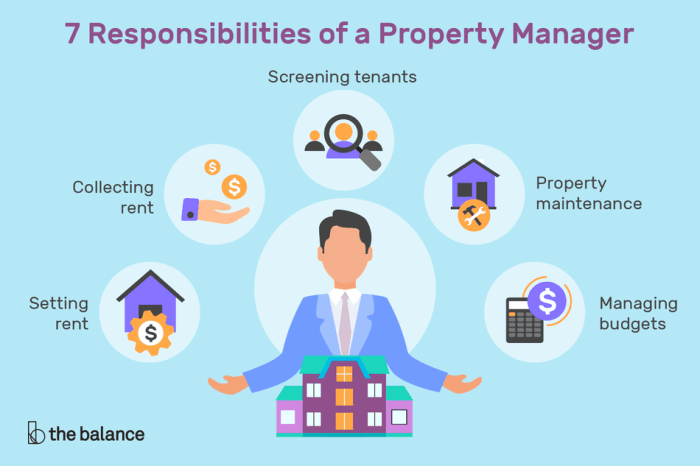
Property management involves overseeing residential, commercial, or industrial real estate on behalf of the property owner. The main goal is to maintain and maximize the value of the property while generating income through rent or lease agreements. Property managers handle various tasks to ensure the smooth operation of the property and the satisfaction of tenants.
Key Responsibilities of Property Managers
- Setting and collecting rent
- Maintaining the property and handling repairs
- Screening and selecting tenants
- Handling tenant concerns and emergencies
- Ensuring compliance with local laws and regulations
Types of Properties Managed by Property Managers
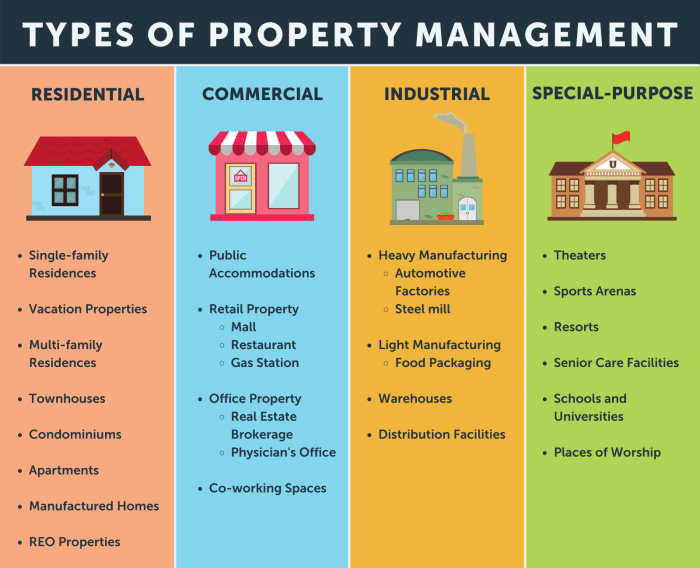
- Residential properties: This includes single-family homes, apartments, condominiums, and vacation rentals.
- Commercial properties: Office buildings, retail spaces, and industrial complexes fall under this category.
- Mixed-use properties: These properties combine residential and commercial spaces in one development.
- HOA-managed properties: Property managers also oversee properties governed by homeowners' associations, ensuring adherence to community rules and regulations.
Importance of Property Management
Property management plays a crucial role for property owners by ensuring the efficient operation, maintenance, and overall success of their real estate investments.
Benefits of Hiring a Property Management Company
When property owners hire a professional property management company, they can benefit from:
- Expertise in tenant screening and selection, leading to lower vacancy rates and better quality tenants.
- Timely rent collection and enforcement of lease agreements, ensuring consistent cash flow.
- Regular property maintenance and inspections, preserving the value of the property and reducing repair costs in the long run.
- 24/7 availability for tenant emergencies and handling of tenant disputes, relieving owners of the stress and hassle of dealing with these issues.
- Legal compliance with housing laws and regulations, protecting owners from potential legal liabilities and penalties.
Self-Managing Properties vs. Property Management Service
While some property owners choose to self-manage their properties, there are several advantages to using a professional property management service:
- Save time and effort by delegating property tasks to experts who can efficiently handle them.
- Access to a network of trusted contractors and vendors for maintenance and repairs, ensuring quality work at competitive prices.
- Benefit from the knowledge and experience of property managers who understand the local rental market and can optimize rental rates for maximum income.
- Enjoy peace of mind knowing that your property is in good hands and being managed professionally, even when you are not physically present.
Property Marketing and Tenant Acquisition
When it comes to property management, one of the key aspects is effectively marketing rental properties and acquiring high-quality tenants. This involves strategic planning, thorough screening processes, and attracting tenants who will maintain the property and pay rent on time.
Strategies for Marketing Rental Properties Effectively
Marketing rental properties requires a multi-faceted approach to reach a wide audience and attract potential tenants. Some effective strategies include:
- Utilizing online listing platforms and social media to showcase the property with high-quality photos and detailed descriptions.
- Creating eye-catching signage and advertisements in the local area to attract drive-by traffic.
- Networking with local real estate agents and property management companies to tap into their client base.
Process of Screening and Acquiring Tenants
Screening and acquiring tenants is a crucial step in property management to ensure that the property is well taken care of and rent is paid promptly. The process typically involves:
- Requiring potential tenants to fill out a detailed rental application that includes information on their income, rental history, and references.
- Conducting background and credit checks to assess the tenant's financial stability and rental history.
- Meeting with potential tenants in person to get a sense of their character and ensure they are a good fit for the property.
Tips for Attracting High-Quality Tenants
Attracting high-quality tenants is essential for maintaining the value of the property and ensuring a positive rental experience. Some tips for attracting top-tier tenants include:
- Setting competitive rental rates based on market research to attract tenants who are willing to pay for quality.
- Maintaining the property in good condition and addressing any maintenance issues promptly to attract tenants who value a well-maintained home.
- Offering incentives such as flexible lease terms or amenities to attract responsible tenants who are looking for a long-term rental solution.
Maintenance and Repairs
Property managers play a crucial role in handling maintenance and repairs to ensure that the properties under their management are well-maintained and in optimal condition. They are responsible for coordinating and overseeing all maintenance tasks, ensuring that any issues are addressed promptly and efficiently.
Preventative Maintenance Practices
Preventative maintenance practices are essential for preserving the value of the property and avoiding costly repairs in the future. Property managers should implement regular inspections and maintenance schedules to identify and address any potential issues before they escalate. This includes tasks such as HVAC system maintenance, roof inspections, plumbing checks, and regular property upkeep.
- Regular inspections and maintenance schedules help identify issues early on and prevent them from turning into costly repairs.
- Addressing small maintenance tasks promptly can prevent them from becoming larger, more expensive problems in the future.
- Implementing preventative maintenance practices can extend the lifespan of property components and systems, ultimately saving money in the long run.
Importance of Timely Repairs for Tenant Satisfaction
Timely repairs are crucial for tenant satisfaction and retention. Property managers must respond promptly to maintenance requests and address any issues in a timely manner to ensure that tenants are comfortable and happy in their rental units. Failure to address maintenance issues promptly can lead to tenant dissatisfaction, negative reviews, and potential vacancies.
- Timely repairs demonstrate to tenants that their concerns are taken seriously and that the property management team is responsive to their needs.
- Happy tenants are more likely to renew their leases, resulting in lower turnover rates and increased profitability for property owners.
- Ignoring maintenance requests or delaying repairs can lead to tenant frustration, decreased satisfaction, and ultimately, higher turnover rates.
Financial Management
Property managers have various financial responsibilities when it comes to managing properties effectively. This includes setting rental rates, budgeting, and managing property finances efficiently to ensure profitability for property owners.
Setting Rental Rates
Property managers are responsible for determining the appropriate rental rates for properties under their management. This involves conducting thorough market research to understand the current rental market trends, analyzing comparable properties in the area, and considering factors such as location, amenities, and demand.
By setting competitive rental rates, property managers can attract quality tenants and maximize rental income for property owners.
Budgeting and Managing Property Finances
Effective budgeting is crucial for property managers to ensure the financial success of the properties they oversee. By creating detailed budgets that account for expenses such as maintenance, repairs, taxes, insurance, and utilities, property managers can plan for financial obligations and avoid unexpected costs.
Additionally, property managers must track income and expenses, maintain financial records, and provide regular financial reports to property owners to keep them informed about the financial health of their investment.
Legal Compliance and Risk Management
Ensuring legal compliance and effective risk management are crucial aspects of property management to avoid potential issues and liabilities.
Key Legal Requirements
Property managers must adhere to various legal requirements to operate within the bounds of the law:
- Compliance with fair housing laws to prevent discrimination based on race, color, religion, sex, national origin, familial status, or disability.
- Maintaining habitable living conditions as per local housing codes and regulations.
- Proper handling of security deposits and rental payments in accordance with state laws.
Risk Mitigation Strategies
Implementing strategies to mitigate risks associated with property management is essential to protect both the property owner and tenants:
- Regular property inspections to identify and address potential safety hazards or maintenance issues.
- Obtaining comprehensive insurance coverage, including liability insurance, to safeguard against unforeseen events.
- Establishing clear lease agreements outlining tenant responsibilities and property rules to minimize disputes.
Handling Tenant Disputes and Evictions
Dealing with tenant disputes and evictions requires a careful and legal approach to ensure a fair resolution:
- Communicate openly and document all interactions with tenants to have a record of discussions and agreements.
- Follow the eviction process Artikeld in state laws, including providing proper notice and following legal procedures.
- Seek legal guidance if facing complex tenant disputes or eviction cases to navigate the legal system effectively.
Technology in Property Management
Technology plays a crucial role in modern property management, revolutionizing the way tasks are handled and improving overall efficiency in the industry.
Popular Property Management Software and Tools
- One popular software is AppFolio, which offers features for property marketing, tenant screening, online rent collection, and maintenance requests.
- Another widely used tool is Buildium, known for its financial management capabilities, including accounting, budgeting, and reporting.
- Propertyware is also a top choice, providing solutions for property marketing, tenant portals, and maintenance tracking.
Improved Efficiency Through Technology
Technology has streamlined various property management processes, leading to increased efficiency and productivity. Some key ways technology has improved efficiency include:
- Automated tasks such as rent collection, lease renewals, and maintenance requests, reducing manual workload and human errors.
- Enhanced communication through digital platforms, enabling quick responses to tenant inquiries and streamlined collaboration with team members.
- Data analytics and reporting tools that provide valuable insights into property performance, helping managers make informed decisions and optimize operations.
Sustainable Practices in Property Management
In today's world, the importance of incorporating sustainable practices in property management cannot be overstated. Not only does it benefit the environment, but it also contributes to cost savings, tenant satisfaction, and overall property value. Property managers play a crucial role in implementing eco-friendly initiatives that promote sustainability and reduce the carbon footprint of buildings.
Examples of Eco-Friendly Practices
- Implementing energy-efficient appliances and lighting to reduce electricity consumption.
- Installing low-flow plumbing fixtures to conserve water usage and decrease utility costs.
- Utilizing recycled or sustainable materials for renovations and construction projects.
- Establishing a recycling program for tenants to encourage proper waste disposal and reduce landfill waste.
Benefits of Sustainable Initiatives
- Cost Savings: By reducing energy and water consumption, property managers can lower utility bills and operating expenses.
- Improved Tenant Satisfaction: Eco-friendly buildings are often more attractive to environmentally-conscious tenants, leading to higher retention rates and increased demand.
- Enhanced Property Value: Sustainable properties are perceived as more valuable in the real estate market, attracting investors and commanding higher resale prices.
- Environmental Impact: By reducing carbon emissions and promoting sustainability, property managers contribute to a healthier planet and a more sustainable future.
Final Wrap-Up
In conclusion, property management is a critical component of real estate ownership that can make or break the success of your investment. By understanding the responsibilities, benefits, and challenges associated with property management, you can navigate this complex terrain with confidence and achieve your desired outcomes.
Whether you're a seasoned property owner or a novice in the field, the insights gained from this discussion will undoubtedly help you optimize your property management strategies and maximize your returns.
Frequently Asked Questions
What are some common challenges property managers face?
Property managers often encounter issues such as tenant disputes, maintenance emergencies, and regulatory compliance complexities.
How do property managers determine rental rates?
Property managers conduct market research, assess property value, and consider factors like location, amenities, and market demand to set competitive rental rates.
What are the benefits of using property management software?
Property management software streamlines administrative tasks, enhances communication with tenants, and provides valuable insights for efficient property management.