
Stepping into the world of office room design, we explore the pivotal role that a well-thought-out workspace plays in boosting efficiency and employee satisfaction. From the layout to the decor, every aspect is meticulously considered to create an environment that fosters creativity and focus.
Delving deeper, we uncover the key elements and strategies that contribute to the creation of a functional and inspiring office space.
Importance of Office Room Design
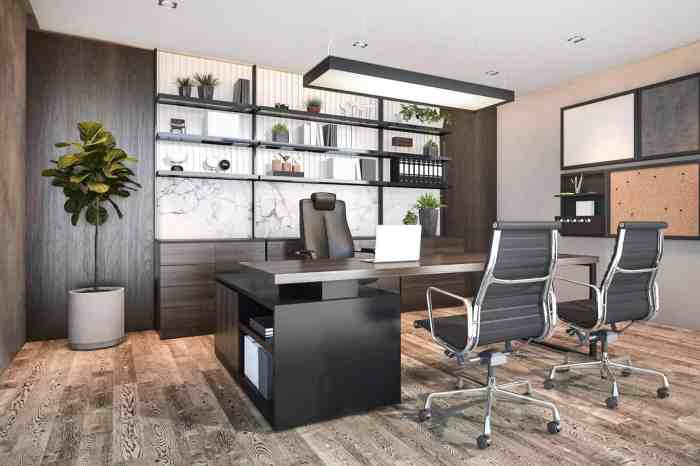
A well-designed office space plays a crucial role in enhancing productivity and overall work efficiency. It goes beyond just aesthetics, impacting employee well-being and morale in significant ways.
Enhanced Productivity
- Optimal office layout and furniture arrangement can improve workflow and minimize distractions, allowing employees to focus better on their tasks.
- Proper lighting, ventilation, and acoustics in the office can create a comfortable and conducive environment for work, leading to increased productivity levels.
- Access to natural light and greenery within the office space has been shown to positively impact mood and overall well-being, resulting in higher productivity rates.
Employee Well-being and Morale
- A well-designed office space that prioritizes employee comfort and safety can contribute to reduced stress levels and improved mental health among workers.
- Incorporating ergonomic furniture and adjustable workstations can help prevent physical discomfort and injuries, promoting a healthier work environment.
- Spaces for relaxation, collaboration, and social interaction within the office can foster positive relationships among employees, boosting morale and job satisfaction.
Role of Aesthetics
- Appealing aesthetics in office design can create a welcoming and inspiring atmosphere, motivating employees to be more creative and innovative in their work.
- Use of colors, artwork, and design elements that align with the company's values and brand identity can enhance employee engagement and sense of belonging.
- Well-designed breakout areas and communal spaces can encourage collaboration and communication among team members, fostering a sense of community within the workplace.
Elements of Effective Office Room Design
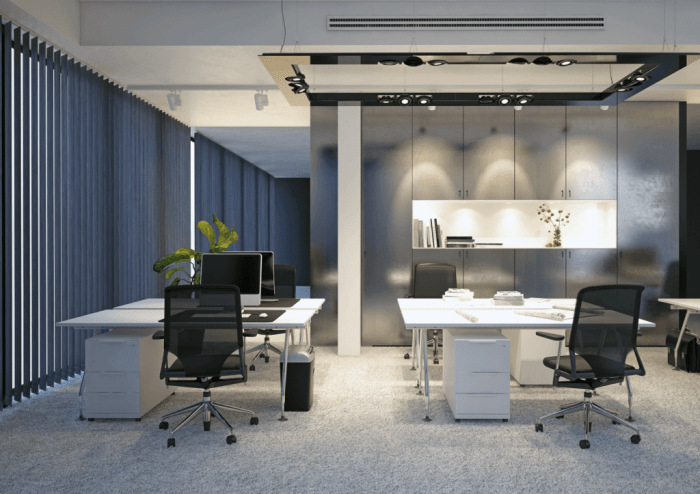
When designing an office room layout, it is crucial to consider various elements that can significantly impact the productivity and well-being of employees. Factors such as natural light, air quality, ergonomic furniture, color schemes, textures, and decor play a vital role in creating a conducive workspace environment.
Natural Light
Natural light is essential for creating a bright and welcoming office space. It not only reduces the reliance on artificial lighting but also has a positive impact on the mood and energy levels of employees. Maximizing natural light through strategically placed windows and glass partitions can enhance the overall atmosphere of the office.
Air Quality
Good air quality is crucial for maintaining the health and well-being of employees. Proper ventilation, air filtration systems, and the use of indoor plants can help improve air quality in the office. Poor air quality can lead to health issues and decreased productivity among employees.
Ergonomic Furniture
Ergonomic furniture is designed to provide comfort and support to employees, reducing the risk of musculoskeletal disorders and improving overall productivity. Adjustable chairs, standing desks, and monitor arms are examples of ergonomic furniture that can contribute to a healthier and more efficient work environment.
Color Schemes, Textures, and Decor
The choice of color schemes, textures, and decor can have a significant impact on the mood and productivity of employees. Bright colors like blue and green are known to promote focus and creativity, while textures and decor elements can add personality and visual interest to the office space.
It is essential to create a cohesive and inspiring environment through careful selection of colors, textures, and decor elements.
Maximizing Space in Office Room Design
When designing an office room, it is crucial to make the most of the available space to ensure a productive and efficient work environment. Here are some strategies to optimize limited space in office rooms.
Efficient Storage Solutions
Utilize vertical space by installing shelves or cabinets to store office supplies, documents, and equipment. Consider using multifunctional furniture pieces like storage ottomans or desks with built-in drawers to maximize storage capacity without taking up extra floor space.
Organization Techniques
Implement a system to keep the office room clutter-free and organized. Use bins, trays, or dividers to categorize and store items neatly. Labeling shelves and containers can also help employees easily locate and access necessary items, preventing unnecessary clutter and confusion.
Multifunctional Areas
Create versatile workspaces within the office room that can serve multiple functions. For example, a conference table with collapsible sides can transform into a smaller desk for individual work when needed. Consider using movable partitions or screens to divide the space for different purposes without sacrificing flexibility.
Technology Integration in Office Room Design
When designing an office room, integrating technology seamlessly is essential to create a modern and efficient workspace. Considerations such as power outlets, connectivity options, and smart office solutions play a vital role in enhancing productivity and collaboration among employees.
Power Outlets and Connectivity
One of the key aspects of technology integration in office room design is ensuring easy access to power outlets and connectivity options. Strategically placing outlets around the room and providing various connectivity ports can help employees stay connected and powered up throughout the workday.
Smart Office Solutions
Implementing smart office solutions, such as automated lighting systems, smart thermostats, and integrated communication tools, can significantly improve the functionality of the workspace. These technologies not only enhance convenience but also contribute to energy efficiency and sustainability in the office environment.
Enhancing Productivity and Collaboration
Technology can also be utilized to enhance productivity and collaboration in the workspace. For example, video conferencing tools, project management software, and collaborative platforms enable employees to work efficiently together, regardless of their physical location. Additionally, digital whiteboards and interactive displays facilitate brainstorming sessions and idea sharing among team members.
Final Summary
In conclusion, a well-designed office room is not just about aesthetics but also about functionality and employee well-being. By implementing thoughtful designs and utilizing innovative technology, businesses can elevate their workspace to new heights of productivity and collaboration.
Q&A
How does office room design impact employee productivity?
Office room design affects productivity by creating a space that is comfortable, organized, and conducive to work. A well-designed office can reduce stress and distractions, leading to improved focus and efficiency.
What are some essential elements to consider in office room design?
Key elements include natural light, ergonomic furniture, proper air quality, and effective storage solutions. These elements contribute to a comfortable and functional workspace.
How can technology enhance office room design?
Technology can improve office room design by offering smart solutions for connectivity, power management, and collaboration. Integrating technology seamlessly can streamline processes and boost efficiency in the workplace.