
Delve into the world of property management tips, where the key to maximizing property value and tenant satisfaction is unveiled through practical strategies and expert advice.
Explore the importance of effective property management and how it can impact your success as a property owner.
Importance of Property Management
Effective property management is crucial for property owners as it plays a significant role in maintaining and enhancing the value of their investments. By ensuring that a property is well-maintained, managed efficiently, and tenants are satisfied, property owners can maximize their returns and protect their assets.Good property management can increase property value in various ways.
For example, regular maintenance and upgrades can improve the overall condition of the property, making it more attractive to potential tenants or buyers. Effective marketing strategies and tenant screening processes can help in finding reliable and responsible tenants who are more likely to take care of the property.
Additionally, timely rent collection and enforcing lease agreements can ensure a steady cash flow and reduce the risk of financial losses.On the other hand, poor property management can have a negative impact on tenant satisfaction and retention. Neglecting maintenance issues, failing to address tenant complaints promptly, or not enforcing lease agreements can lead to dissatisfaction among tenants.
This can result in higher turnover rates, increased vacancy periods, and ultimately, a decrease in rental income for property owners. In the long run, neglecting proper management practices can lead to a decline in the property's value and overall profitability.
Essential Property Management Tips
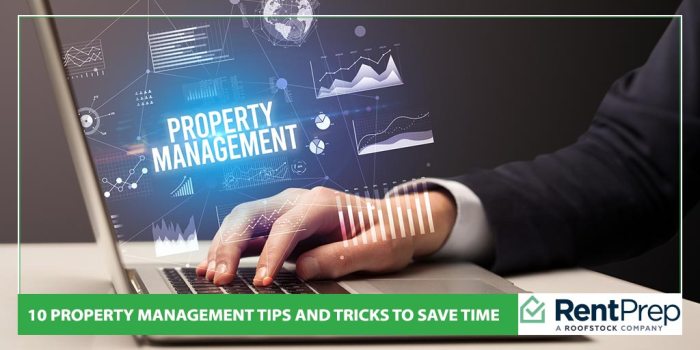
Effective property management involves various key practices to ensure the smooth operation of rental properties and foster positive relationships with tenants.
Setting Competitive Rental Prices
One crucial aspect of property management is setting competitive rental prices to attract suitable tenants while ensuring a steady income stream.
- Conduct market research to understand the local rental market trends and pricing.
- Consider factors such as location, property size, amenities, and current demand.
- Regularly review and adjust rental prices based on market changes and property upgrades.
Effective Tenant Screening
Proper tenant screening is essential to avoid potential issues and ensure reliable and responsible tenants for your property.
- Require a comprehensive rental application with details on income, rental history, and references.
- Run background and credit checks to assess the applicant's financial stability and rental history.
- Check references and previous landlord feedback to gauge the applicant's behavior and reliability.
Maintaining Good Tenant Relations
Fostering positive relationships with tenants is key to tenant satisfaction and retention.
- Communicate clearly and promptly with tenants to address any concerns or requests.
- Handle maintenance issues efficiently to ensure a safe and comfortable living environment.
- Show appreciation for good tenants through gestures like timely responses and occasional upgrades.
Regular Property Inspections and Maintenance
Regular property inspections and maintenance are crucial to preserve the property's condition and address any issues promptly.
- Schedule routine inspections to identify maintenance needs and ensure compliance with lease agreements.
- Address maintenance requests promptly to prevent further damage and maintain tenant satisfaction.
- Plan and budget for regular maintenance tasks such as HVAC servicing, plumbing checks, and landscaping.
Financial Management in Property Management
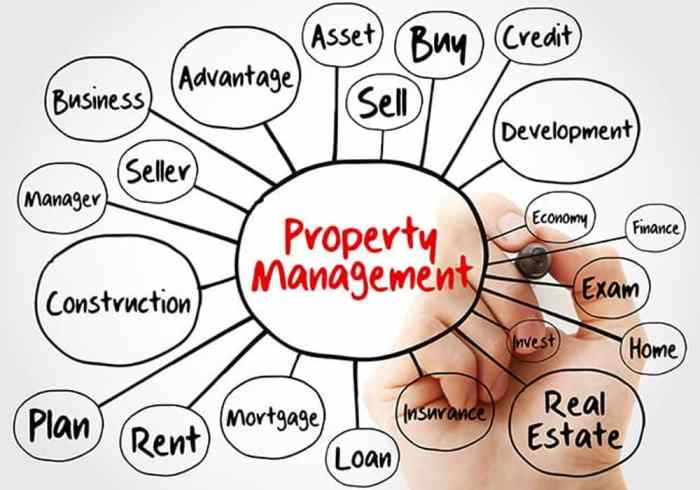
Effective financial management is crucial in property management to ensure a steady income flow and maintain the property's value. It involves creating and sticking to a budget, collecting rent on time, handling late payments, and reducing property vacancies.
Creating and Sticking to a Property Management Budget
- Start by listing all income sources, including rent, fees, and other sources of revenue.
- Identify and categorize all expenses, such as maintenance, repairs, insurance, property taxes, and management fees.
- Set aside funds for unexpected expenses or emergencies to avoid financial strain.
- Regularly review and adjust the budget as needed to stay on track and meet financial goals.
Collecting Rent on Time and Handling Late Payments
- Establish clear and consistent rent collection policies, including due dates, late fees, and payment methods.
- Send rent reminders to tenants before the due date to encourage timely payments.
- Communicate with tenants promptly if they are unable to pay on time and work out a payment plan if necessary.
- Enforce late fees as Artikeld in the lease agreement to discourage late payments and incentivize on-time payments.
Reducing Property Vacancies to Ensure Consistent Rental Income
- Maintain the property in good condition to attract and retain tenants.
- Market the property effectively through online listings, social media, and other advertising channels.
- Offer incentives such as rent discounts, referral bonuses, or lease renewal perks to encourage tenant retention.
- Screen potential tenants thoroughly to ensure they are reliable and can afford the rent.
Legal Aspects of Property Management
When it comes to property management, understanding the legal aspects is crucial to ensure smooth operations and compliance with the law.
Key Landlord-Tenant Laws
It is essential for property managers to be well-versed in key landlord-tenant laws to protect both parties and avoid legal issues. Some important laws to be aware of include:
- Fair Housing Act: Prohibits discrimination based on race, color, religion, sex, national origin, familial status, or disability.
- Landlord-Tenant Act: Governs the rights and responsibilities of landlords and tenants, including lease agreements, security deposits, and eviction procedures.
- Local Regulations: Familiarize yourself with specific laws and regulations in your area regarding rental properties.
Solid Lease Agreements
Having well-drafted lease agreements is vital in protecting the interests of both landlords and tenants. A solid lease should clearly Artikel the terms and conditions of the tenancy, including rent amount, due dates, security deposit details, maintenance responsibilities, and rules for ending the tenancy.
Ensure that lease agreements comply with all relevant laws and are reviewed by legal professionals if needed.
Handling Evictions
Evictions are a sensitive and challenging aspect of property management. To handle evictions legally and efficiently, consider the following tips:
- Follow the legal eviction process Artikeld in the Landlord-Tenant Act to avoid any legal repercussions.
- Document all communication and incidents leading to the eviction to support your case in court if needed.
- Consult with legal counsel to ensure that the eviction is carried out in compliance with the law.
Last Point
In conclusion, mastering property management tips is the gateway to a prosperous and harmonious property ownership journey. Take charge of your property's potential and watch it flourish with the right management techniques.
FAQ Resource
How can I set competitive rental prices?
Research the local market, consider property features, and analyze demand to determine optimal rental rates.
What are the best practices for tenant screening?
Conduct thorough background checks, verify income and employment, and contact references to ensure reliable tenants.
Why is regular property inspection important?
Regular inspections help identify maintenance issues early, ensure tenant compliance, and maintain property value.
How can I handle late rent payments effectively?
Communicate clearly with tenants about payment expectations, offer grace periods, and enforce late fees per the lease agreement.