
Embark on a journey through the world of room interior design, where every corner tells a story of creativity and functionality. From the essential elements that make up a well-designed room to the impact of color schemes and popular design styles, this topic promises to inspire and educate alike.
As we delve deeper, you'll uncover valuable insights on furniture placement, lighting techniques, and the intricate play of textures and patterns within a room's interior. Get ready to transform spaces into stunning reflections of personal style and comfort.
Room Interior Design
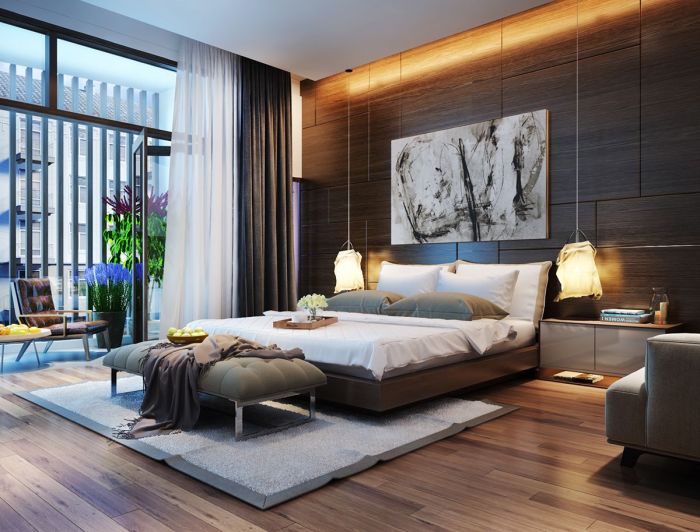
When it comes to designing a room interior, there are several key elements that contribute to a well-designed space. These elements include furniture arrangement, lighting, accessories, and most importantly, color schemes.
Importance of Color Schemes
Color schemes play a crucial role in room interior design as they set the overall mood and atmosphere of the space. Different colors evoke different emotions and can impact how a room feels. For example, warm tones like reds and oranges can create a cozy and inviting ambiance, while cool tones like blues and greens can promote a sense of calm and relaxation.
- Monochromatic: Utilizing different shades of a single color for a harmonious and sophisticated look.
- Modern: Characterized by clean lines, minimalism, and a focus on function.
- Minimalist: Stripping down to the essentials and embracing simplicity and functionality.
- Bohemian: Incorporating rich colors, patterns, and textures for a vibrant and eclectic look.
Furniture Placement
When it comes to interior design, furniture placement plays a crucial role in transforming a room's overall look and feel. The way furniture is arranged can significantly impact the functionality, flow, and aesthetics of a space. Strategic placement of furniture can optimize space, create a focal point, and enhance the overall ambiance of a room.
Optimizing Space
- Use multipurpose furniture such as ottomans with storage or a sofa bed to maximize functionality in a small space.
- Avoid overcrowding by leaving enough room for easy movement around the furniture.
- Utilize vertical space with tall bookshelves or wall-mounted storage to free up floor space.
- Consider the scale of furniture in relation to the size of the room to ensure a balanced and harmonious look.
Creating a Focal Point
- Arrange furniture around a central piece such as a fireplace, artwork, or statement furniture to draw attention and create visual interest.
- Use contrasting colors or textures on the focal point to make it stand out from the rest of the room.
- Ensure that the focal point is visible from different angles in the room to create a cohesive and inviting space.
- Consider the function of the room when choosing a focal point - for example, a TV in a living room or a bed in a bedroom.
Lighting in Room Interior
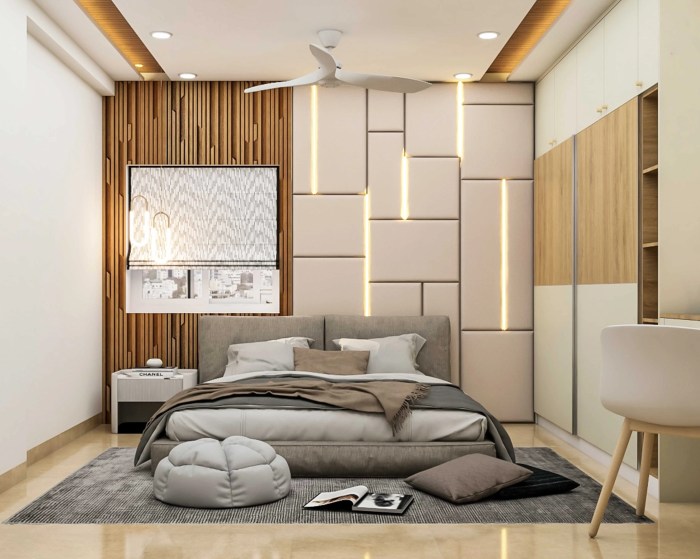
Proper lighting plays a crucial role in setting the ambiance of a room. It can enhance the overall look and feel, highlight specific elements, and create a comfortable environment.
Types of Lighting Fixtures
There are different types of lighting fixtures that can be used in various room interiors:
- Ambient Lighting: Provides overall illumination to the room, usually through ceiling-mounted fixtures like chandeliers or recessed lights.
- Task Lighting: Focuses on a specific area for tasks like reading or working, often provided by desk lamps or under-cabinet lights.
- Accent Lighting: Highlights particular features or objects, such as artwork or architectural elements, using track lighting or wall sconces.
- Natural Lighting: Utilizes natural light sources like windows and skylights to brighten up the room and create a connection with the outdoors.
Using Lighting to Highlight Elements
Here are some tips on how to use lighting effectively to highlight specific elements in a room:
- Use adjustable fixtures like track lights to direct light towards focal points such as artwork or sculptures.
- Consider layering different types of lighting (ambient, task, accent) to create depth and visual interest in the room.
- Install dimmer switches to control the intensity of light and set the desired mood for different occasions.
- Utilize uplights to draw attention to architectural details like columns or textured walls.
Textures and Patterns
Textures and patterns play a crucial role in adding depth and visual interest to a room's interior design. They have the power to elevate the overall aesthetic appeal and create a cohesive look that ties the elements of a room together seamlessly.
Effective Mixing and Matching
When it comes to mixing and matching textures and patterns, it's essential to strike a balance between different elements to avoid overwhelming the space. Here are some tips to help you achieve a harmonious blend:
- Start by choosing a dominant texture or pattern as the focal point of the room. This could be a bold wallpaper, a plush rug, or a statement piece of furniture.
- Layer different textures to create depth and visual interest. Mix smooth surfaces with rough ones, such as pairing a sleek leather sofa with a chunky knit throw.
- Consider the scale of patterns when mixing them in a room. Large-scale patterns work well with small-scale ones to create a dynamic look without clashing.
- Stick to a cohesive color palette to tie all the textures and patterns together. This will create a sense of unity and harmony in the design.
Complementary Textures and Patterns
Certain textures and patterns naturally complement each other, enhancing the overall look of a room. Here are some examples of combinations that work well together:
- Velvet and metallic accents: The luxurious texture of velvet pairs beautifully with the shimmer of metallic finishes, creating a glamorous and sophisticated ambiance.
- Stripes and florals: Mixing a classic stripe pattern with a delicate floral print adds a touch of whimsy and charm to a space, balancing structure with softness.
- Wood and geometric patterns: The natural warmth of wood textures harmonizes with the angular lines of geometric patterns, creating a modern yet inviting feel.
Conclusive Thoughts
In conclusion, room interior design is a dynamic art form that seamlessly blends aesthetics with practicality, creating harmonious spaces that resonate with individual tastes. Whether you prefer a modern, minimalist, or bohemian style, the key lies in balancing elements to craft a space that truly feels like home.
Essential FAQs
What are the key elements of a well-designed room interior?
The key elements include furniture, color schemes, lighting, textures, and patterns that work harmoniously to create a cohesive space.
How important are color schemes in room interior design?
Color schemes play a crucial role in setting the mood, defining the style, and enhancing the overall aesthetic appeal of a room.
What are some popular room interior design styles?
Popular styles include modern, minimalist, bohemian, industrial, Scandinavian, and traditional, each with its unique characteristics and charm.
How can furniture placement enhance a room's interior?
Proper furniture placement can optimize space, create a focal point, and improve flow and functionality within a room.
What role does lighting play in room interior?
Lighting sets the ambiance, highlights key elements, and enhances the overall mood and atmosphere of a room.